The Evolution of Frontend Apps: Unified Chat Interface

Why Your Next App Will Be a Unified Chat Interface
For decades, we’ve navigated the web by clicking, tapping, scrolling, and typing into graphical user interfaces. We open apps, click through menus, and fill out forms. This model is reaching its limit, leaving us toggling between countless tabs and systems and resulting in wasted time, errors, poor adoption, and decision latency. The next evolution in web applications is poised to change this, shifting the focus from navigating interfaces to achieving outcomes though a single, intelligent unified chat interface.
This transformation is driven by the increasing sophistication of Large Language Models (LLMs) and the emergence of protocols like MCP (Model Context Protocol) by Anthropic and A2A (Agent2Agent) by Google. Interfaces for complex actions, like building demos, application kickstarts, and deep research, are unified chat interface-first, as seen in services like Lovable.dev or Google Gemini.
Next-generation frontend experiences are less about navigating disparate interfaces and more about intuitive, AI-guided interactions through a unified chat interface. Just as web search engines serve as our gateway to information, the unified chat interface (which, in future iterations, will accommodate commands and input via voice in any language) is poised to become our portal for data management.
A Bold Vision
Most of us leverage LLMs in our daily work, whether through search engines, direct queries to tools like GPT, or other AI platforms. This highlights a growing comfort and reliance on AI for clarifying ideas, enhancing productivity, and collecting and accessing information. The natural progression is for web applications to evolve into interfaces that mimic this conversational, AI-driven interaction.
That’s where a unified chat interface comes into play.
Imagine a web application where the primary frontend component is a chat box. This intelligent chat interface (powered by an LLM) acts as a guide, helping users navigate complex workflows, view and manipulate data, and even import information—all through natural language via either voice or text.
Instead of clicking through menus or filling out numerous fields, users would simply articulate their needs. For example, to populate a form with hundreds of entities from a spreadsheet, a user could simply state, "I want to fill out this form, and then do the same for this list," and then provide their CSV. The actual form could reside in Salesforce or Workday or whichever application is used. The LLM, understanding the context, would then automate the data entry. Similarly, retrieving daily reports could be as simple as asking, "Show me my reports that I see daily." The AI would then present the desired, pre-constructed views that may be a combination of information from various systems and applications.
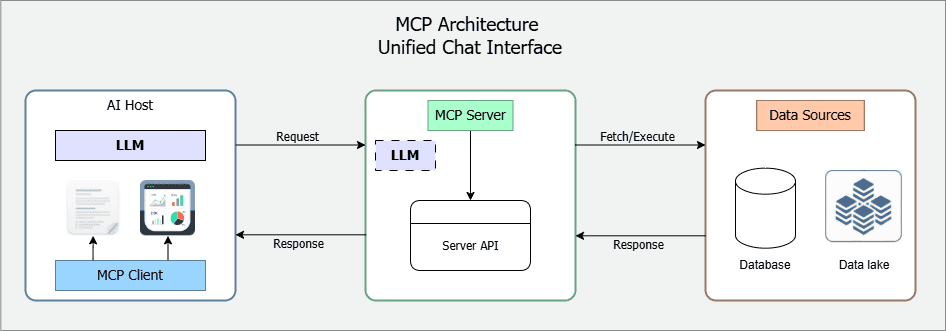
Figure 1. MCP Architecture with single MCP Server
This vision extends beyond simple data manipulation. The concept will gain significant traction with the introduction of protocols like MCP, which enables a single chat interface to seamlessly interact with various applications, even different LLMs, providing a comprehensive hub for all necessary information. This means your chat interface could provide news, execute Google searches, and pull specific information from your CRM or Salesforce application, all through integrated MCPs.
The key to this powerful unification lies in the chat interface's ability to integrate with these systems. With proper authentication, the chat interface can connect to MCP servers and fetch information from diverse platforms. This empowers users to achieve their goals by providing the right data for the right piece of work, streamlining previously segmented and focused functionalities into a cohesive, intelligent workflow. The future of frontend development is not just about building visually appealing interfaces, but about creating intelligent, conversational portals that truly empower users through integrated AI and innovative protocols.
The New Operating System
In a way, the unified chat interface is envisioned as a new “operating system.” The rise of personal computers in the 1980s brought an evolution of applications that were moving away from the mainframe interface into a more colorful look and feel that would be hosted on top of the operating system. With the rise of the internet, that operating system became the browser and established a unified interface that could run in a similar way on different platforms.
In the era of AI, for the unified chat interface to take over the role of the operating system, the MCP protocol would need to extend beyond simple data access. It would need to return HTML components that can be rendered directly within the chat interface. For example, if you need to insert data about an account, user access, or an order, the MCP server could return an HTML component encapsulating all the necessary fields and business rules. This means that if an address requires you to fill out the state, then the county, the returned component would guide you through this process. This also provides the ability to save that data back either through the same MCP server or by directly accessing an API.
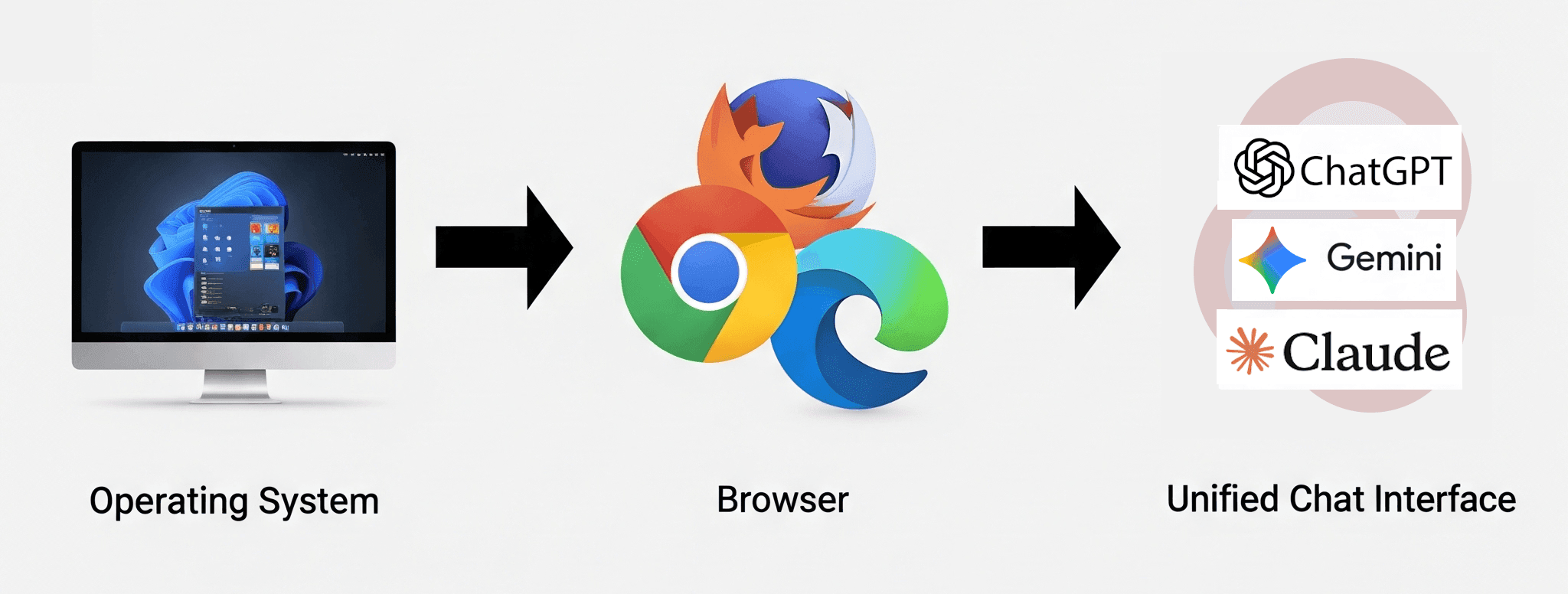
Figure 2. The evolution of hosts for applications.
In a similar vein, MCP servers could deliver more than just data or HTML components; they could also bring back more useful information using proprietary file formats. A file format with a registered unique MIME type would allow the chat interface to launch an installed client, registered for that same MIME type, to display that information. While some pieces of the MCP protocol are still being refined, it undeniably offers the flexibility needed for a single interface to collaborate with various applications.
The benefits are clear:
- Users do less context switching, have faster workflows, and make fewer mistakes.
- Organizations have lower integration costs, higher adoption, and increased productivity.
- Developers have less frontend build/rebuild, and faster iteration.
Security Considerations
It has only been a few months since MCP was introduced. And while an overwhelming number of MCP servers have already been developed, there have also been reports about security issues, either exposing data, or allowing remote code execution on the user’s machine. Another known issue called “chained trust vulnerability” allows attackers to exfiltrate sensitive data through seemingly innocent-looking MCP servers (like a weather tool) - even with just basic scripting skills. To help mitigate issues, extensions like Enhanced Tool Definition Interface (ETDI), work over OAuth 2.0 and can help with some of these issues. Further advancements in the area need to occur for the unified chat interface to become secure for users and a standard across the industry.
Looking Forward
The future of frontend development is not only about creating visually appealing interfaces. It's about building intelligent, conversational portals that empower users through integrated AI and innovative protocols like MCP.
The unified chat interface represents a significant leap towards more intuitive, efficient, and interconnected digital experiences that will reduce the need for complicated integrations between systems. It allows users to utilize an easily customized workflow that integrates with and combines multiple platforms together under a single environment.
The unified chat interface won’t just change how apps look, it will redefine how organizations think about software, shifting from managing tools to achieving more scalable and impactful outcomes.
To learn how Sparq can help with digital transformation or AI initiatives, connect with us here. We help solve today’s technology challenges and build for tomorrow’s advantage.
Related